

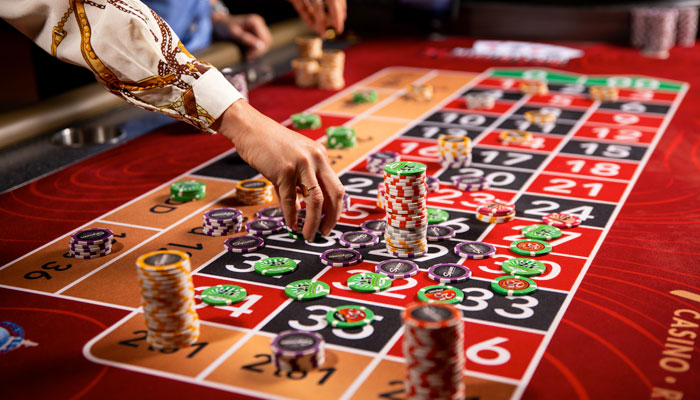
Introduction to Gambling
Gambling is the act of wagering money or something of value on an outcome that is uncertain. It has existed for centuries and continues to evolve through technology, regulation, and cultural acceptance. While many people view gambling as a form of entertainment, it also carries financial, emotional, and social implications that deserve careful attention.
Types of Gambling
Gambling comes in various forms, each with distinct rules, odds, and experiences.
Casino Gambling
Casino gambling is one of the most recognized forms and includes games designed around chance, skill, or a combination of both.
Common casino games include:
-
Slot machines
-
Poker
-
Blackjack
-
Roulette
Each game has its own house edge, which determines the long-term advantage of the casino over the player.
Sports Betting
Sports betting involves predicting the outcome of sporting events and placing wagers accordingly. Odds are set based on probability, team performance, and market behavior.
Popular sports for betting include:
-
Football
-
Basketball
-
Cricket
-
Horse racing
Online Gambling
Online gambling allows players to access casino games, betting platforms, and lotteries through digital devices. Convenience and accessibility have driven its rapid growth, but they also increase exposure and risk.
Lottery and Bingo
Lotteries and bingo are often considered low-effort gambling options. While participation costs are usually small, the odds of winning large prizes are extremely low.
How Gambling Works
At its core, gambling operates on probability and randomness. Outcomes are determined either by random number generators or real-world events. Over time, mathematical probability ensures that operators maintain profitability, even though individual players may experience short-term wins.
Key concepts to understand:
-
House edge – The built-in advantage for the operator
-
Odds – The likelihood of a specific outcome
-
Variance – Short-term fluctuations in wins and losses
Psychological Impact of Gambling
Gambling can trigger powerful emotional responses. Wins release dopamine, reinforcing behavior, while losses may lead to chasing bets in an attempt to recover money.
Potential psychological effects include:
-
Excitement and anticipation
-
Stress and anxiety
-
Compulsive behavior
-
Impaired decision-making
Understanding these effects is essential for maintaining control and balance.
Legal and Ethical Considerations
Gambling laws vary widely by country and region. Some jurisdictions allow regulated gambling, while others restrict or prohibit it entirely.
Legal frameworks typically address:
-
Age restrictions
-
Licensing requirements
-
Consumer protection
-
Fair play standards
Ethically, gambling raises concerns about addiction, transparency, and the responsibility of operators to protect vulnerable individuals.
Responsible Gambling Practices
Responsible gambling focuses on minimizing harm while allowing individuals to enjoy gambling as entertainment.
Best practices include:
-
Setting time and spending limits
-
Avoiding gambling under emotional distress
-
Treating losses as entertainment costs
-
Seeking help when gambling stops being enjoyable
Support systems and self-exclusion tools can help individuals regain control when needed.
The Future of Gambling
Advancements in technology are reshaping gambling through mobile platforms, live dealer games, and data-driven personalization. At the same time, regulators are increasing oversight to ensure safer and more transparent environments.
Emerging trends include:
-
Artificial intelligence for fraud detection
-
Cashless and digital payment systems
-
Enhanced responsible gambling tools
Frequently Asked Questions (FAQ)
Is gambling purely based on luck?
Not always. Some games involve skill and strategy, but chance still plays a significant role in most forms of gambling.
Can gambling be a reliable source of income?
Gambling is not a dependable way to earn money. The odds are structured to favor operators over time.
How can someone tell if gambling is becoming a problem?
Warning signs include chasing losses, hiding gambling behavior, and experiencing financial or emotional stress related to betting.
Are online gambling platforms safe to use?
Safety depends on regulation, licensing, and security measures. Choosing reputable, regulated platforms reduces risk.
What is the difference between house edge and odds?
Odds describe the likelihood of an outcome, while the house edge represents the operator’s long-term advantage.
Does responsible gambling mean never losing money?
No. Responsible gambling means managing risk, understanding losses are possible, and keeping gambling within personal limits.
Where can people seek help for gambling-related issues?
Many regions offer confidential support services, counseling, and helplines dedicated to gambling-related concerns.
