

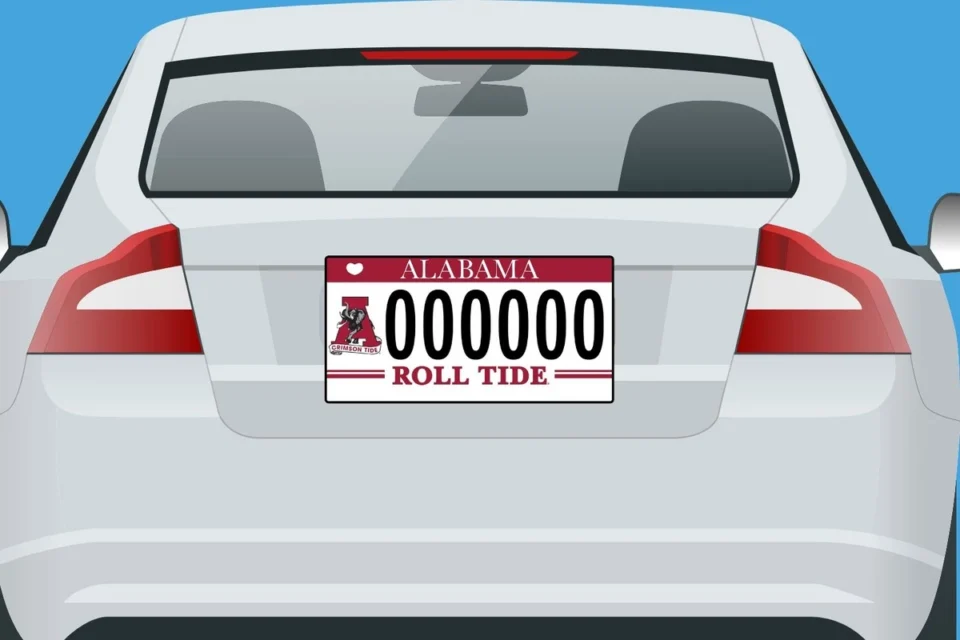
Collectors are particularly drawn to state-specific series because they capture design trends, manufacturing changes, and local history. Alabama is a good example. From early porcelain plates to modern stamped aluminum versions, the state’s plate history reflects shifts in transportation, population growth, and even political messaging. While many plates remain inexpensive souvenirs, some examples stand out in the collector market.
ShopLicensePlates based collector explains that new collectors often underestimate how many small details affect value. “People often assume age alone determines value, but condition, rarity, and design variations play a bigger role. Even within the same year, some plates can be dramatically more desirable than others. For those researching Alabama license plates, it’s important to look beyond the year and examine production differences, numbering patterns, and whether the plate remained in its original state.”
Understanding what drives value helps collectors make smarter purchases and avoid common mistakes. The following six factors consistently influence how much an Alabama plate can be worth in today’s collector market.
The Collector Market for Vintage Plates
License plate collecting, often called “tag collecting,” has a surprisingly structured community in the United States. Organized groups like the Automobile License Plate Collectors Association maintain historical records and track plate variations across all states. Alabama holds a unique place within that landscape because its plates have changed frequently over the decades.
In the early 1900s, many states issued simple metal plates with minimal design. As car ownership expanded after World War II, plates began incorporating more color, reflective materials, and slogans. Alabama’s designs followed this national trend but retained several distinctive elements, including county numbering systems and occasional commemorative themes.
Collectors usually pursue one of several strategies. Some build complete year-by-year runs from a single state, while others search for unusual variants such as prototype plates or misprints. Because Alabama changed manufacturing methods several times, including shifts between steel and aluminum, there are numerous subtle variations that appeal to specialists.
Market demand also plays a role in value. Plates tied to historically interesting periods tend to attract attention. For example, designs connected to major state anniversaries or tourism campaigns can become more desirable as collectors seek visually distinctive pieces. Even typography and color schemes can affect how attractive a plate appears on display.
The market has also become more accessible thanks to online auctions and specialty retailers. Decades ago, collectors often relied on flea markets or swap meets to find rare plates. Today, listings can appear online within hours of discovery, making it easier for collectors across the country to compete for the same item. This wider exposure has increased awareness of Alabama plate variations and helped establish clearer pricing trends.
As a result, understanding what truly distinguishes a valuable plate from an ordinary one has become essential for collectors.
Condition and Original Paint
Condition remains one of the most important factors affecting value. A plate with sharp colors, minimal rust, and intact paint typically sells for significantly more than a worn example from the same year. Even small details such as mounting scratches or faded lettering can influence how collectors evaluate a piece.
Vintage plates often spent years exposed to weather, road debris, and repeated mounting. Because of that, many surviving examples show corrosion around bolt holes or along edges. Collectors generally categorize condition using terms such as “excellent,” “very good,” or “displayable,” each reflecting how close the plate is to its original appearance.
Original paint is especially important. Some sellers attempt to repaint plates to make them look newer, but experienced collectors usually recognize restoration work quickly. While careful restoration can improve display quality, a repainted plate typically sells for less than an untouched original with moderate wear.
Another detail collectors examine is reflectivity. Many plates produced in the mid-20th century used reflective coatings that fade over time. If the reflective layer remains intact, the plate often commands a higher price because it demonstrates limited exposure and better preservation.
Storage conditions also matter. Plates kept indoors or in dry climates generally age more gracefully than those left outdoors. As a result, collectors sometimes search for plates discovered in barns, garages, or old dealerships where environmental exposure was limited.
In the case of Alabama plates specifically, bold color contrasts in certain decades mean that fading becomes especially noticeable. When colors remain crisp, the visual appeal increases dramatically, making well-preserved examples particularly desirable among enthusiasts who display their collections.
Low Serial Numbers and Special Numbering Patterns
Another factor that can elevate value is the number stamped on the plate itself. Collectors often seek plates with low serial numbers, repeating digits, or unusual numbering patterns. These combinations stand out visually and may indicate early production runs.
Low numbers are particularly desirable because they suggest the plate may have been issued to a government official, prominent resident, or early registrant in that year’s series. Plates numbered “1,” “10,” or even double-digit sequences often attract attention during auctions.
Repeating digits also create collector interest. Numbers such as “111,” “2222,” or other symmetrical sequences tend to be easier to recognize at a glance, making them appealing display pieces. Some collectors build entire subsets of plates focused solely on distinctive numbering.
Alabama’s historical county numbering system adds another layer of complexity. For many years, the state assigned number prefixes corresponding to specific counties based on population rankings. This means that the first one or two digits could reveal where the vehicle was originally registered.
Collectors familiar with the system sometimes search for plates from historically significant counties or areas connected to family history. Because certain counties had smaller populations, their plates were produced in lower quantities, increasing their rarity today.
Numbering quirks can also occur during manufacturing transitions. When production methods change, numbering sequences sometimes restart or shift formats. Plates from these transitional periods can become especially appealing because they represent short-lived variations within the overall series.
While numbering alone rarely determines value, it can significantly increase interest when combined with strong condition and a desirable design.
Short Production Runs and Transitional Designs
Some plates become valuable simply because they were produced for a short time. When a design lasts only one or two years before being replaced, surviving examples tend to be scarcer.
Short production runs often occur when states experiment with new materials or graphics. If the design proves unpopular or manufacturing costs increase, the state may quickly switch to a new version. Collectors later recognize these brief series as historically interesting.
Transitional plates are another category that draws attention. These are plates issued during periods when the state was changing manufacturing processes or updating numbering systems. Transitional designs sometimes combine elements from two different series, making them unique within the broader timeline.
In Alabama’s case, several decades saw frequent design adjustments as reflective materials, embossed lettering, and new slogans were introduced. Each transition created small variations that collectors now catalog carefully.
A good example occurs when states switch from steel to aluminum plates. Aluminum resists rust better but required different stamping techniques. Plates from the first aluminum years sometimes show subtle differences in thickness or edge shaping that collectors notice immediately.
Limited-run specialty plates can also gain value if production numbers were small. Commemorative issues celebrating events or organizations occasionally had restricted distribution, which increases rarity over time.
Collectors who understand these design transitions often search for overlooked variants at flea markets or estate sales. Because casual sellers may not realize the significance of a brief production run, knowledgeable buyers sometimes discover valuable plates at modest prices.
Local History, County Codes, and Regional Appeal
License plates often serve as small pieces of regional history. Alabama’s long-standing county code system created strong connections between plates and specific communities. For collectors, this local dimension adds both personal and historical appeal.
Under the system used for many decades, counties were assigned numerical prefixes based on population rankings established early in the automobile era. As a result, the numbers on a plate could immediately identify the county where the vehicle was registered.
Collectors sometimes seek plates representing counties connected to family heritage or historically important locations. A plate from a county associated with a major civil rights landmark, for example, might attract interest from collectors who focus on broader historical themes.
Regional nostalgia also influences demand. Former residents who moved away from Alabama sometimes look for plates from their home counties as decorative items. Restaurants, garages, and automotive-themed businesses also purchase vintage plates as wall décor, increasing demand for visually striking examples.
Design elements can reinforce this regional appeal. Slogans referencing tourism campaigns or state identity often make plates more recognizable. Plates featuring distinctive color combinations or memorable taglines tend to stand out in displays, increasing their desirability.
Because of these cultural associations, the collector market often values plates not only for rarity but also for the stories they represent. A simple metal plate can reflect decades of regional identity, road travel, and changing design philosophies.
For that reason, plates with strong connections to local history sometimes command higher prices than technically rarer plates lacking a clear narrative.
Provenance, Documentation, and Authenticity
The final factor that can significantly influence value is documentation. When collectors know where a plate came from and how it was used, the item gains credibility and historical context.
Provenance might include records showing the original vehicle registration, photographs of the plate in use, or documentation from a dealership or government office. While such paperwork is uncommon, it can dramatically increase collector interest.
Authenticity also matters because reproduction plates have become more common in recent years. Some reproductions are produced for decorative purposes, while others attempt to imitate older designs closely. Experienced collectors usually examine stamping quality, metal thickness, and paint characteristics to distinguish originals from replicas.
A documented history helps eliminate doubts about authenticity. If a plate can be traced to a specific vehicle or owner, collectors feel more confident that it represents a genuine piece of automotive history.
Professional grading and authentication services have begun to appear within the license plate hobby as well. Although not as widespread as in coin collecting, these services can evaluate condition and confirm whether a plate remains in original form.
Collectors researching vintage Alabama license plates often find that documentation becomes more valuable as plates grow older. Early 20th-century plates, especially porcelain versions, are particularly susceptible to reproduction attempts, making verified examples more desirable.
In many cases, the most valuable plates combine several of the factors described above: excellent condition, unusual numbering, a short production run, and documented history.
Why Knowledge Matters in Plate Collecting
The value of a license plate rarely depends on a single characteristic. Instead, collectors evaluate multiple factors simultaneously, including condition, rarity, numbering patterns, and historical context. Plates that combine several of these qualities tend to stand out in auctions and private sales.
For newcomers, learning these details can transform the way they look at everyday objects. A plate that might appear ordinary at first glance could represent a transitional design or a low-production county series. Recognizing these details often requires research and patience.
The growing interest in Alabama license plates reflects a broader appreciation for transportation history. Plates serve as small artifacts from the era when automobiles reshaped American life, connecting communities through expanding highway systems.
Collectors who study the history behind these plates often find the hobby rewarding beyond financial value. Each plate carries traces of the vehicle it once identified and the roads it traveled. By understanding the elements that influence value, collectors can preserve these artifacts more effectively and ensure they remain part of automotive history for future enthusiasts.
