

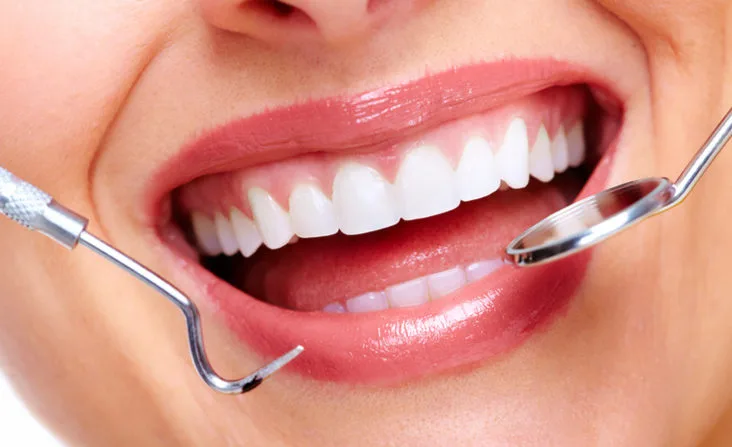
Facial balance is often discussed in relation to bone structure, skin quality, and symmetry, yet the teeth and jaw play an equally decisive role. The position, size, and alignment of teeth affect lip support, chin projection, and even the appearance of the nose in profile. Subtle dental irregularities can disrupt proportions that might otherwise seem harmonious.
Many patients first approach a cosmetic dentist London practitioners recommend for whiter or straighter teeth, only to discover that the real transformation lies in improved facial proportions. When teeth are worn down, crowded, or uneven, they can cause the lips to collapse inward or the jawline to appear less defined. By restoring correct tooth height and alignment, dentists effectively rebuild facial architecture in a way that feels natural rather than artificial.
In clinical terms, the lower third of the face is highly responsive to dental intervention. Tooth wear can reduce vertical dimension, leading to a prematurely aged appearance. Gaps or misalignment can distort how the lips rest and move. Even minor discrepancies in tooth length can alter the visual centre of the face. Cosmetic dentistry addresses these issues through veneers, orthodontics, bonding, and restorative treatments designed with facial proportions in mind.
According to Dr. Sahil Patel of MaryleboneSmileClinic from 66 Harley St, London W1G 7HD, facial assessment is integral to modern cosmetic planning. He explains that effective treatment begins with evaluating lip dynamics, tooth display at rest, and the relationship between the upper and lower jaws. His advice underscores a broader shift in London dentistry: cosmetic procedures are no longer isolated to teeth but are carefully integrated into overall facial analysis.
This integrated perspective is particularly relevant in a city where professional and social interactions are frequent and often visual. Rather than dramatic alteration, the goal is subtle recalibration. The following sections explore five distinct ways cosmetic dentistry enhances facial balance, drawing on clinical principles commonly applied in London practices.
Restoring Proportion Through Tooth Length and Vertical Dimension
One of the most overlooked contributors to facial imbalance is reduced tooth height. Over time, enamel wears down due to grinding, acidic erosion, or simple ageing. As teeth shorten, the distance between the nose and chin decreases, subtly altering facial proportions. This reduction in vertical dimension can make the lower face appear compressed and older than it truly is.
Cosmetic dentistry addresses this by rebuilding lost structure with porcelain veneers, composite bonding, or crowns. When planned correctly, restoring tooth length increases the vertical dimension of the bite, which in turn improves the contour of the lips and soft tissues. Patients often notice that their face appears more refreshed, even though the only visible change seems to be their smile.
The principle at work is proportional harmony. In classical facial analysis, the face is divided into thirds. When the lower third is reduced, the entire face can appear imbalanced. By carefully recalculating ideal tooth proportions relative to lip line and jaw position, dentists can re-establish equilibrium. The improvement is not merely cosmetic; it can also enhance speech clarity and chewing efficiency.
In London, where many adults seek cosmetic treatment in their thirties and forties, restoring vertical dimension is a common yet subtle intervention. It avoids invasive surgical procedures while still delivering meaningful aesthetic improvement. Because the change occurs within natural anatomical limits, the result tends to appear understated. Observers may perceive the person as looking healthier or more rested without identifying the specific cause.
The key lies in precision. Over-lengthening teeth can create an artificial or bulky appearance. Skilled cosmetic planning ensures that new restorations complement facial proportions rather than dominate them. When executed thoughtfully, restoring tooth height supports the lips, softens nasolabial folds, and refines the balance between chin and mid-face.
Aligning the Midline to Enhance Symmetry
Facial symmetry plays a central role in perceived attractiveness, yet perfect symmetry is rare. Instead, balance depends on visual alignment, particularly along the facial midline. When the dental midline, the vertical line between the two front teeth, deviates significantly from the centre of the face, the discrepancy can subtly disrupt overall harmony.
Orthodontic treatments such as clear aligners are frequently used in London practices to correct these imbalances. By repositioning teeth gradually, dentists align the dental midline with the facial midline, which is typically defined by the nose and philtrum. Even a few millimetres of correction can noticeably improve facial coherence.
Misaligned teeth can also cause the jaw to shift slightly when biting, leading to asymmetrical muscle development. Over time, this may influence the shape of the lower face. Correcting alignment not only straightens the smile but can reduce muscular strain and promote more balanced facial contours.
Another aspect of midline correction involves restorative procedures. If one front tooth is narrower or shorter than its counterpart, cosmetic bonding or veneers can create symmetry without orthodontics. The aim is not mechanical perfection but visual balance. In many cases, minor refinements yield significant aesthetic benefits.
For adults who missed orthodontic treatment in adolescence, these interventions provide a discreet route to improved symmetry. Modern aligners are nearly invisible, making them suitable for professional environments. The resulting alignment can enhance confidence in presentations, meetings, and social interactions without drawing attention to the treatment itself.
By viewing the smile as a central structural element rather than an isolated feature, cosmetic dentists improve how the entire face reads at first glance. The alignment of teeth becomes a stabilising axis around which other features appear more balanced.
Supporting the Lips and Soft Tissues
The lips rely on underlying teeth for support. When teeth are protrusive, the lips may appear strained or overly prominent. When teeth are retrusive or worn down, the lips can lose definition and seem thinner. Cosmetic dentistry can subtly adjust these dynamics to create more harmonious soft tissue contours.
Veneers and bonding allow dentists to modify the inclination and prominence of front teeth. By carefully adjusting angles, they can enhance lip support without producing a bulky effect. This is particularly relevant for patients who feel their lips disappear when they smile or whose upper lip folds inward at rest.
In cases of crowding or excessive overjet, orthodontic treatment repositions teeth to a more balanced orientation. This can soften the profile view, improving the relationship between nose, lips, and chin. Patients sometimes report that their face looks more proportionate in photographs, even though the intervention focused solely on dental alignment.
Ageing compounds these concerns. As collagen decreases, lips naturally lose volume. When combined with worn or missing teeth, the effect can be pronounced. Restorative cosmetic treatments rebuild internal support, reducing the need for external fillers. The improvement tends to be structurally grounded rather than temporary.
Dentists in London often collaborate with patients to determine the appropriate degree of change. The objective is to complement natural features rather than impose uniform standards. By respecting individual anatomy, cosmetic procedures can enhance lip posture, smooth transitions between facial thirds, and reinforce overall balance.
The interplay between teeth and soft tissues illustrates how dental work influences more than enamel. It shapes how expressions form and how the face rests in neutral position. Through measured adjustments, cosmetic dentistry reinforces structural support that contributes to a balanced, cohesive appearance.
Refining Jawline Definition Through Bite Correction
The jawline is frequently associated with genetics or weight, yet dental occlusion plays a meaningful role. When the bite is misaligned, the lower jaw may sit too far forward or back, subtly altering facial contours. Overbites and underbites influence chin projection and the profile silhouette.
Corrective orthodontics or restorative treatments can reposition the bite to a more functional alignment. In doing so, they may enhance jawline definition. For example, reducing a pronounced overbite allows the lower jaw to assume a more natural position, which can improve the relationship between chin and neck.
Temporomandibular joint issues also intersect with facial balance. Chronic clenching or grinding can enlarge jaw muscles unevenly, contributing to asymmetry. Addressing bite discrepancies through cosmetic and functional dentistry can alleviate strain and create a more even muscular appearance.
Some patients considering surgical jaw correction discover that mild to moderate imbalance can be managed conservatively through dental treatment. While not a substitute for orthognathic surgery in severe cases, strategic bite adjustment often yields meaningful visual refinement.
In professional environments across London, a defined yet natural jawline is often associated with composure and confidence. Cosmetic dentistry approaches this outcome indirectly by restoring functional harmony. The result is less about dramatic transformation and more about recalibrating structural relationships that influence how the lower face is perceived.
By improving occlusion, dentists support balanced muscle engagement, better posture of the jaw, and clearer facial lines. These changes accumulate subtly but contribute significantly to the overall impression of symmetry and proportion.
Creating Visual Cohesion Through Colour and Contour
Facial balance is not determined solely by structure; colour and contour also influence perception. Discoloured or unevenly shaped teeth can draw attention away from other features, disrupting visual harmony. Whitening treatments, contouring, and carefully designed veneers help create cohesion between smile and complexion.
Tooth shade should complement skin tone rather than overpower it. Excessively bright whitening may create contrast that appears unnatural, particularly under varied lighting conditions common in London’s indoor and outdoor environments. Skilled cosmetic dentists select shades that enhance brightness while maintaining realism.
Similarly, contouring refines the edges and surface anatomy of teeth. Small chips, uneven incisal edges, or irregular shapes can interrupt symmetry. By smoothing and reshaping enamel or applying bonding, dentists create continuity across the smile line. This continuity supports facial balance by ensuring the smile integrates seamlessly with surrounding features.
The concept extends to how teeth reflect light. Smooth, proportionate surfaces distribute light evenly, enhancing perceived symmetry. When teeth differ significantly in shape or alignment, shadows can exaggerate imbalance. Subtle refinements restore consistent light reflection, improving the overall aesthetic effect.
Patients often report that after cosmetic adjustments, their facial features seem to align more cohesively. The change may be modest, yet it influences first impressions. In social and professional settings alike, a harmonious smile frames the face in a way that feels stable and composed.
Ultimately, cosmetic dentistry enhances facial balance by aligning structural proportions, supporting soft tissues, refining symmetry, correcting bite relationships, and harmonising colour and contour. For London patients seeking improvement without overt alteration, these integrated strategies offer a measured path to a more balanced appearance.
