

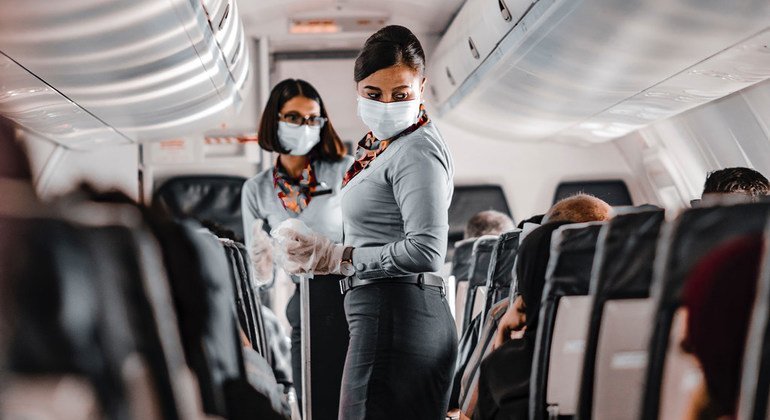
Travel has regained momentum across the globe, but the landscape has changed. Health awareness, flexible planning, and digital tools now play a central role in every journey. While restrictions have eased in many regions, smart travelers continue to prioritize safety and preparedness.
This guide outlines practical, up-to-date strategies to help you travel confidently and responsibly in a post-pandemic world.
Understand Current Entry Requirements
Before booking any trip, verify the latest entry regulations for your destination. Policies can shift due to local outbreaks or public health decisions.
Check for:
-
Vaccination or booster requirements
-
Testing protocols before departure or arrival
-
Health declaration forms
-
Quarantine or isolation rules
-
Travel insurance mandates
Consult official government or embassy websites rather than relying solely on third-party sources. Regulations vary widely between countries and sometimes between regions within a country.
Prioritize Health Preparation
Stay Up to Date on Vaccinations
Routine vaccinations and recommended boosters provide protection not just against COVID-19, but also seasonal illnesses such as influenza. Travelers visiting tropical regions may need additional immunizations depending on the destination.
Schedule appointments several weeks before departure to allow time for immunity to develop.
Pack a Personal Health Kit
A compact health kit reduces dependency on local pharmacies and adds peace of mind.
Include:
-
High-quality face masks
-
Alcohol-based hand sanitizer
-
Disinfectant wipes
-
A digital thermometer
-
Basic medications (pain relievers, allergy medicine, etc.)
-
Copies of vaccination and insurance documents
Preparation minimizes last-minute stress and potential exposure.
Choose Transportation Strategically
Air Travel
Airlines have strengthened cleaning protocols and improved cabin air filtration systems. Modern aircraft use HEPA filters that remove a high percentage of airborne particles.
To reduce risk:
-
Opt for non-stop flights when possible
-
Check in online to limit contact
-
Board later in the process if seating allows
-
Wipe down tray tables and armrests
Trains and Buses
For land transport:
-
Travel during off-peak hours
-
Reserve seats in advance
-
Maintain physical distance when possible
Ventilation matters. Choose carriers that emphasize air circulation and sanitation practices.
Select Accommodations Carefully
Hotels and short-term rentals have adapted by implementing stricter hygiene standards and contactless services.
Look for properties that offer:
-
Contactless check-in and checkout
-
Transparent cleaning policies
-
Flexible cancellation options
-
Well-ventilated rooms
Reading recent guest reviews provides insight into current practices rather than outdated policies.
Invest in Comprehensive Travel Insurance
Insurance is no longer optional for many travelers. A strong policy should cover:
-
Trip cancellations due to illness
-
Medical treatment abroad
-
Emergency evacuation
-
Unexpected quarantine accommodation
Review policy details carefully. Not all plans automatically include pandemic-related disruptions.
Practice Situational Awareness
Safety extends beyond health precautions. Crowded tourist hubs can increase exposure risk and limit mobility.
Consider:
-
Visiting attractions during early morning hours
-
Exploring less crowded neighborhoods
-
Making reservations in advance
-
Monitoring local health advisories
Flexibility allows you to adapt if conditions change quickly.
Embrace Contactless Technology
Digital solutions have reshaped modern travel. Mobile boarding passes, online restaurant reservations, and digital payments reduce physical interaction.
Popular contactless practices include:
-
Mobile room keys
-
QR code menus
-
Tap-to-pay systems
-
Online ticketing for attractions
These tools enhance both convenience and safety.
Maintain Hygiene Habits Abroad
Basic hygiene remains one of the most effective protective measures.
-
Wash hands frequently with soap and water
-
Avoid touching your face
-
Stay hydrated and well-rested
-
Respect local health customs
If you feel unwell, limit social contact and seek medical guidance promptly.
Be Ready for Sudden Changes
Even in a stabilized travel environment, unexpected developments can occur. Weather events, political unrest, or localized outbreaks may impact your plans.
Prepare by:
-
Keeping digital and physical copies of important documents
-
Registering with your embassy when traveling internationally
-
Monitoring airline and government updates
-
Maintaining emergency funds
Prepared travelers handle disruptions with far less stress.
Support Responsible Tourism
Post-pandemic travel has renewed attention on sustainability and community well-being.
Choose businesses that:
-
Follow responsible health protocols
-
Support local economies
-
Reduce environmental impact
Respecting community guidelines helps preserve destinations and protects residents.
Conclusion
Traveling safely in a post-pandemic world is less about fear and more about informed decision-making. By combining preparation, awareness, flexibility, and technology, you can significantly reduce risk while enjoying meaningful experiences.
Thoughtful planning ensures that your journeys remain enriching, secure, and adaptable to the evolving global landscape.
Frequently Asked Questions (FAQ)
1. Is international travel fully back to normal?
While many borders are open, regulations vary by country and may change quickly. Always verify official requirements before departure.
2. Should I still wear a mask while traveling?
Mask policies differ by location. Even where not required, wearing one in crowded or poorly ventilated areas can provide added protection.
3. How early should I arrive at the airport now?
Arrive at least 2–3 hours before international flights and 1–2 hours before domestic flights. Extra time helps accommodate potential health checks or documentation reviews.
4. What should I do if I test positive while abroad?
Contact local health authorities, inform your accommodation provider, and review your travel insurance coverage. Follow local isolation guidelines strictly.
5. Are cruise vacations safe now?
Cruise lines have implemented stricter health protocols, but risk levels vary. Review onboard policies, medical facilities, and refund flexibility before booking.
6. How can I reduce stress while traveling?
Plan thoroughly but allow flexibility. Keep digital backups of documents, monitor official updates, and build extra time into your itinerary.
7. Do I need special insurance for pandemic-related issues?
Many insurers now offer coverage for illness-related cancellations and medical care abroad, but not all policies include it automatically. Always confirm details before purchasing.
