

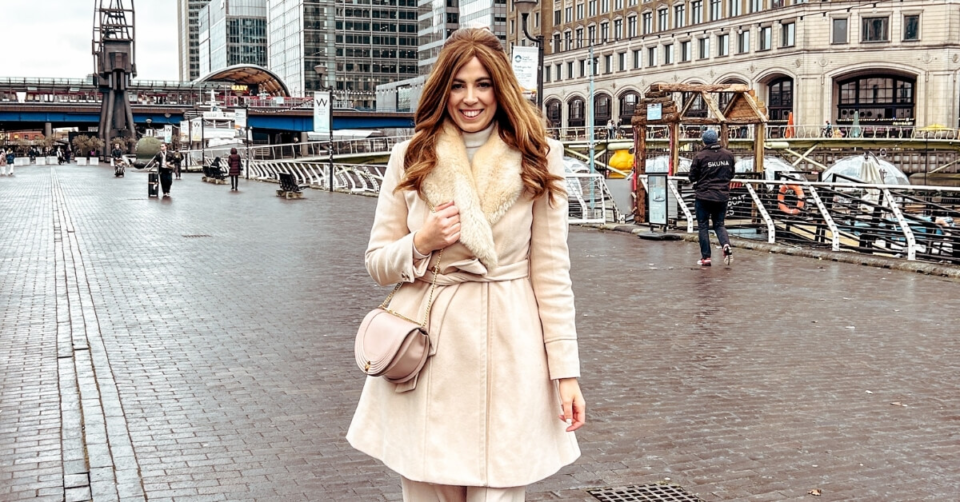
Looking stylish doesn’t require a luxury budget. With thoughtful planning, smart shopping, and a little creativity, you can build outfits that feel polished and personal without overspending. The key lies in strategy, not price tags.
Below is a practical guide to creating fashionable looks while keeping your wallet intact.
Build a Strong Foundation with Wardrobe Basics
Before chasing trends, focus on timeless essentials. These are versatile pieces that can be styled multiple ways.
Must-Have Budget Basics
-
A well-fitted pair of jeans
-
Neutral t-shirts (white, black, beige)
-
A structured blazer
-
A classic button-down shirt
-
Comfortable sneakers
-
A simple black dress
These pieces form the backbone of dozens of outfit combinations. Investing in quality basics—even on a budget—means you’ll wear them repeatedly.
Tip: Choose neutral shades so mixing and matching becomes effortless.
Embrace Thrifting and Secondhand Finds
Thrift stores, consignment shops, and online resale platforms offer incredible value. Many gently used or even new-with-tags items cost a fraction of retail prices.
When thrifting:
-
Check fabric quality (cotton, linen, wool last longer)
-
Inspect seams and zippers
-
Try everything on when possible
-
Think beyond the current styling
A slightly oversized blazer or vintage denim jacket can instantly elevate simple outfits.
Create a Capsule Wardrobe
A capsule wardrobe focuses on fewer items that work well together. Instead of owning 40 random pieces, aim for 20–30 coordinated ones.
Benefits of a Capsule Approach
-
Less decision fatigue
-
More outfit combinations
-
Easier budgeting
-
Higher overall style consistency
Choose a color palette (for example: beige, navy, black, white) and stick to it. Every new item should match at least three existing pieces.
Master the Art of Layering
Layering adds dimension and makes outfits look intentional.
Examples:
-
T-shirt + blazer + jeans
-
Dress + sweater + ankle boots
-
Button-down + knit vest
Layering also extends seasonal wear. A summer dress becomes fall-ready with tights and a cardigan.
Accessorize Strategically
Accessories are often inexpensive yet transformative.
Budget-Friendly Accessories
-
Statement earrings
-
Structured belts
-
Crossbody bags
-
Scarves
-
Layered necklaces
A basic outfit—like jeans and a white tee—can look completely different depending on the accessories you choose.
Rule of thumb: If the outfit feels plain, add one bold accessory.
Tailoring Makes a Difference
Even affordable clothing looks high-end when it fits well. Simple alterations like hemming pants or adjusting sleeves are often inexpensive.
Clothing that fits properly instantly improves posture, silhouette, and confidence.
Plan Before You Shop
Impulse buying wastes money. Instead:
-
Make a list of what your wardrobe lacks
-
Set a clear budget
-
Compare prices online
-
Wait 24 hours before purchasing
Planning prevents clutter and ensures each item serves a purpose.
Use Outfit Formulas
Fashion doesn’t have to be complicated. Simple formulas help you build reliable looks.
Examples:
-
Top + Bottom + Third Piece (blazer, jacket, cardigan)
-
Monochrome Outfit + Texture Contrast
-
Basic Base + Statement Accessory
Repeating formulas makes daily styling faster and more intentional.
Take Care of Your Clothes
Budget fashion lasts longer with proper care.
-
Wash in cold water
-
Air dry when possible
-
Store knitwear folded
-
Use a fabric shaver for pilling
Maintaining clothing reduces the need for constant replacements.
Confidence Is the Ultimate Upgrade
No outfit works without confidence. Stand tall, wear pieces that feel comfortable, and choose styles that reflect your personality rather than chasing every trend.
Style is about expression, not expense.
Frequently Asked Questions (FAQs)
1. How much should I realistically budget for clothing each month?
A practical range is 5–10% of your monthly income, but this varies based on personal priorities and existing wardrobe needs.
2. Are fast-fashion stores good for budget styling?
They can be affordable, but focus on durable basics rather than trendy pieces that wear out quickly.
3. How can I look expensive on a tight budget?
Choose structured silhouettes, neutral colors, clean shoes, and well-fitted clothing. Simplicity often appears more refined.
4. What fabrics should I prioritize when shopping affordably?
Look for cotton, linen, wool blends, and denim. These tend to last longer and maintain their shape.
5. How do I stop impulse buying clothes?
Create a shopping list, unsubscribe from marketing emails, and set a monthly spending cap.
6. Can accessories really change an outfit?
Absolutely. Belts, jewelry, and bags can completely shift the mood of a simple outfit.
7. How often should I declutter my wardrobe?
Twice a year is ideal. Seasonal reviews help you reassess what you wear and what no longer fits your style.
