

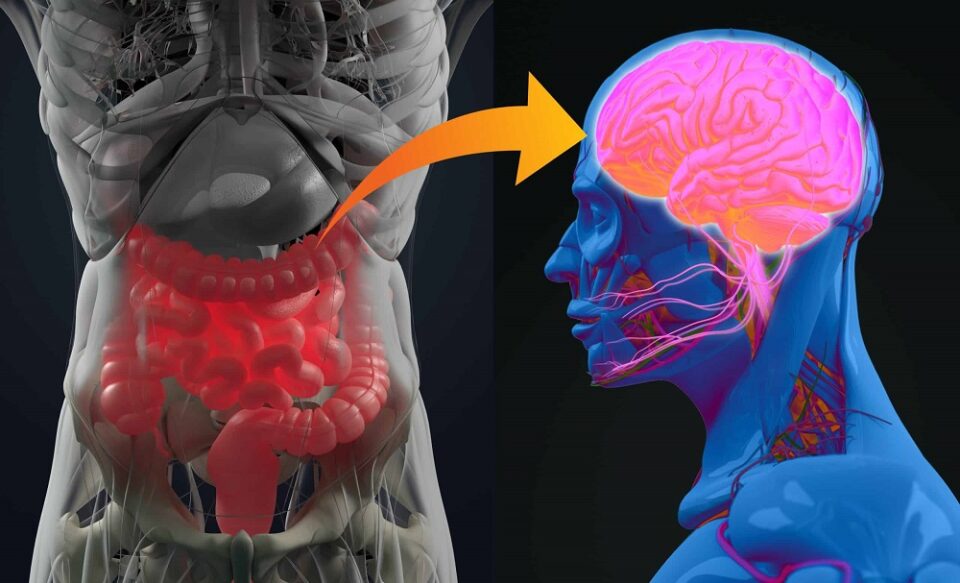
A healthy gut is far more than a digestive asset—it is a powerful regulator of brain function and emotional stability. Modern research reveals a deep, ongoing communication between the gut and the brain, shaping how we think, feel, and respond to stress. When the gut is balanced, mental clarity improves and emotional resilience becomes stronger.
Understanding the Gut-Brain Connection
The gut and brain communicate through a complex network known as the gut-brain axis. This system connects the central nervous system with the digestive tract, allowing signals to travel in both directions.
Key components of this connection include:
-
The vagus nerve, which transmits signals between the gut and brain
-
Gut microbes, which produce neurotransmitters
-
Immune system messengers, influencing inflammation and mood
Because of this constant interaction, gut health directly impacts emotional regulation and cognitive performance.
The Role of Gut Microbiota in Brain Function
Trillions of bacteria reside in the gut, collectively called the gut microbiome. These microorganisms help produce chemicals that affect brain activity.
Important functions of gut bacteria include:
-
Producing serotonin, the neurotransmitter linked to happiness
-
Assisting in the creation of dopamine, which affects motivation and focus
-
Supporting nutrient absorption essential for brain health
An imbalanced microbiome can interfere with these processes, increasing the risk of mood disturbances.
How Gut Health Affects Emotional Well-Being
A healthy gut plays a protective role against emotional instability. When the gut lining is compromised or inflammation increases, stress signals intensify and emotional regulation becomes more difficult.
Poor gut health has been associated with:
-
Anxiety and chronic stress
-
Low mood and depressive symptoms
-
Brain fog and reduced concentration
Maintaining gut balance helps stabilize emotional responses and supports a calmer mental state.
Inflammation, Stress, and Mental Health
Chronic inflammation originating in the gut can travel throughout the body, including the brain. This inflammation may disrupt neurotransmitter activity and worsen emotional health.
Common contributors to gut-related inflammation include:
-
Highly processed foods
-
Excessive sugar intake
-
Ongoing psychological stress
Reducing inflammation through diet and lifestyle choices can significantly improve emotional well-being.
Nutrients That Support Both Gut and Brain Health
Certain nutrients are essential for maintaining a strong gut-brain relationship.
These include:
-
Fiber, which nourishes beneficial gut bacteria
-
Omega-3 fatty acids, supporting brain cell function
-
B vitamins, crucial for neurotransmitter production
-
Magnesium, which helps regulate stress responses
A nutrient-rich diet supports both digestive balance and cognitive performance.
Lifestyle Habits That Strengthen the Gut-Brain Axis
Beyond diet, daily habits strongly influence gut and brain health.
Beneficial practices include:
-
Regular physical activity to enhance microbial diversity
-
Quality sleep to support gut repair and mental clarity
-
Mindfulness and stress reduction to calm gut signaling
Consistency in these habits fosters long-term emotional resilience.
Signs Your Gut Health May Be Affecting Your Mood
Sometimes emotional symptoms are rooted in digestive imbalance. Warning signs may include:
-
Persistent bloating or digestive discomfort
-
Mood swings without clear triggers
-
Ongoing fatigue or lack of focus
Addressing gut health can often lead to noticeable improvements in emotional well-being.
Building a Healthier Gut for a Healthier Mind
Improving gut health is not about quick fixes but sustainable choices. A balanced diet, stress management, and healthy routines work together to strengthen the gut-brain connection. Over time, these changes support sharper thinking, improved mood, and greater emotional stability.
Frequently Asked Questions (FAQs)
How long does it take to improve gut health for mental benefits?
Positive changes can begin within a few weeks, but lasting improvements typically require consistent habits over several months.
Can gut health influence sleep quality?
Yes, gut bacteria help regulate sleep-related hormones, which can affect sleep patterns and quality.
Are probiotics necessary for emotional well-being?
Probiotics can help in some cases, but whole foods and lifestyle changes are equally important.
Does stress directly damage gut health?
Chronic stress alters gut bacteria balance and weakens the gut lining, affecting mental health.
Can children benefit mentally from better gut health?
Yes, a healthy gut supports emotional regulation and cognitive development at all ages.
Is there a connection between gut health and memory?
Emerging research suggests gut balance may influence memory and learning through neurotransmitter activity.
Can improving gut health reduce anxiety naturally?
Many people experience reduced anxiety symptoms after improving diet, managing stress, and supporting gut balance.
