

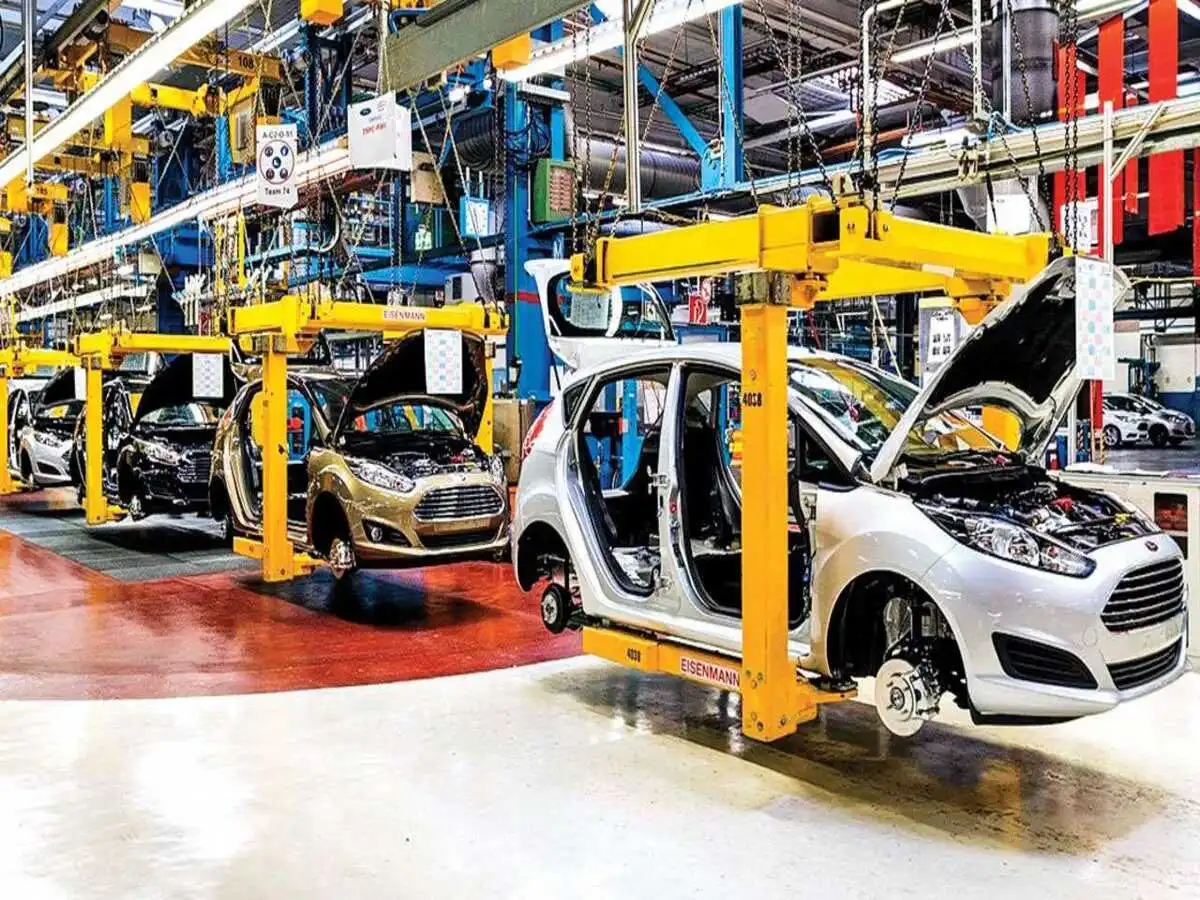
The automotive sector, often simply referred to as the auto industry, has been a cornerstone of global economic growth, technological advancement, and societal transformation. The term auto encompasses a wide range of vehicles, including passenger cars, commercial trucks, electric vehicles, and autonomous machines. In this article, we will explore the history, technological advancements, economic significance, environmental challenges, and future trends within the auto industry.
The Origins and Growth of the Auto Industry
The auto industry traces its roots back to the late 19th century when inventors experimented with steam, electric, and internal combustion engines. Karl Benz is widely credited with producing the first practical automobile in 1885, which set the stage for the mass production revolution that would follow. By the early 20th century, the introduction of assembly line manufacturing by Henry Ford drastically reduced production costs, making automobiles accessible to a broader population.
The rapid growth of the auto industry led to the creation of ancillary sectors, including oil and gas, road construction, insurance, and finance. Cities were redesigned to accommodate automobiles, fundamentally reshaping human mobility and urban planning. The auto industry not only revolutionized personal transport but also became a symbol of economic prosperity and innovation.
Technological Innovations in the Auto Sector
The modern auto industry is characterized by rapid technological evolution. Innovations span several domains, including powertrain development, safety features, connectivity, and manufacturing processes.
Electric and Hybrid Vehicles
With growing concerns over climate change, electric vehicles (EVs) and hybrid vehicles have emerged as sustainable alternatives to traditional gasoline-powered cars. EVs rely on battery technology to store and supply energy to electric motors, significantly reducing greenhouse gas emissions. Manufacturers are investing heavily in lithium-ion battery efficiency, regenerative braking systems, and charging infrastructure to make EVs more practical and affordable. Hybrid vehicles combine internal combustion engines with electric motors to achieve better fuel efficiency and lower emissions, offering a transitional solution for environmentally conscious consumers.
Autonomous Vehicles
Self-driving or autonomous vehicles are poised to revolutionize transportation. These vehicles employ artificial intelligence, sensors, cameras, and LIDAR technology to navigate roads with minimal human intervention. While fully autonomous cars are still under development, partial automation features like lane-keeping assistance, adaptive cruise control, and automatic emergency braking are already mainstream. The integration of autonomous technology promises increased safety, reduced traffic congestion, and enhanced mobility for individuals unable to drive, including the elderly and disabled.
Connectivity and Smart Features
Modern vehicles are increasingly integrated with smart technology, connecting drivers to mobile applications, cloud-based services, and real-time traffic updates. Features such as telematics, vehicle-to-vehicle (V2V) communication, and predictive maintenance systems enhance both safety and convenience. Additionally, over-the-air software updates allow manufacturers to improve performance and fix issues remotely, reflecting a shift from purely mechanical products to digitally connected platforms.
Economic Significance of the Auto Industry
The auto sector plays a pivotal role in global economies, contributing substantially to employment, trade, and technological development. According to recent data, the global auto industry is valued at over $4 trillion and supports millions of jobs worldwide, spanning manufacturing, logistics, sales, and maintenance. Auto manufacturing hubs, such as Detroit in the United States, Stuttgart in Germany, and Tokyo in Japan, have historically driven regional economic growth through supply chain ecosystems and innovation clusters.
The financial ecosystem surrounding the auto industry includes vehicle financing, insurance, leasing, and aftermarket services. Auto loans, leasing agreements, and credit options make vehicle ownership feasible for a wide demographic, stimulating consumer spending. Furthermore, the industry drives demand for raw materials, including steel, aluminum, plastics, and rare earth elements, which fuels other industrial sectors.
Environmental Challenges and Sustainability
The auto industry faces mounting scrutiny over its environmental footprint. Traditional internal combustion engine vehicles contribute significantly to air pollution, greenhouse gas emissions, and urban congestion. Governments worldwide have implemented stricter emission standards, incentivized EV adoption, and promoted sustainable urban mobility solutions.
Emission Reduction and Regulations
Regulatory frameworks, such as the Corporate Average Fuel Economy (CAFE) standards in the United States and the European Union’s stringent emission norms, compel automakers to innovate cleaner engines and adopt alternative fuels. Biofuels, hydrogen fuel cells, and fully electric drivetrains represent key strategies to achieve compliance and reduce environmental impact.
Sustainable Manufacturing Practices
Automakers are adopting sustainable production methods to minimize waste, energy consumption, and carbon emissions. Initiatives include recycling automotive components, utilizing renewable energy in factories, and designing lightweight vehicles to improve fuel efficiency. The trend toward circular economy models ensures that materials are reused and repurposed, reducing the ecological footprint of vehicles throughout their lifecycle.
Future Trends in the Auto Industry
The future of the auto industry is being shaped by convergence between technology, sustainability, and consumer behavior. Several trends are expected to redefine how people perceive and interact with vehicles.
Shared Mobility Solutions
Ride-sharing, car-sharing, and micro-mobility options are becoming increasingly popular, particularly in urban centers. These models reduce the number of vehicles on the road, decrease emissions, and provide cost-effective transportation alternatives. As mobility-as-a-service platforms expand, traditional notions of car ownership are evolving.
Advanced Materials and Manufacturing
Automakers are investing in advanced materials, such as carbon fiber composites, high-strength steel, and aluminum alloys, to reduce vehicle weight and improve fuel efficiency. 3D printing and modular manufacturing are streamlining production, enabling rapid prototyping and customization while reducing costs and material waste.
Integration of AI and Data Analytics
Artificial intelligence and big data analytics are transforming the auto industry. Predictive maintenance, traffic management systems, and personalized in-car experiences rely on AI algorithms. Vehicle data collection enables manufacturers to understand user behavior, optimize performance, and develop targeted services, bridging the gap between traditional manufacturing and technology-driven solutions.
Electric and Hydrogen Expansion
Battery technology improvements and hydrogen fuel cell development are poised to dominate the next decade of automotive innovation. Increased investment in charging networks, energy storage, and renewable energy integration will accelerate the transition toward a low-carbon transportation ecosystem.
Conclusion
The auto industry is a dynamic and multifaceted sector that has profoundly influenced modern society. From its early innovations in internal combustion engines to the ongoing revolution in electric, autonomous, and connected vehicles, the industry remains a crucial driver of technological progress and economic growth. Challenges such as environmental impact, regulatory compliance, and changing consumer behavior are shaping the next chapter of automotive evolution. By embracing innovation, sustainability, and smart mobility solutions, the auto industry is poised to continue transforming the way people move, live, and interact with the world.
FAQs
1. How has the rise of electric vehicles impacted the auto industry?
Electric vehicles have driven significant changes in production, supply chain management, and consumer behavior. Manufacturers are investing heavily in battery technology, charging infrastructure, and renewable energy integration to meet growing demand and environmental regulations.
2. What role do autonomous vehicles play in future transportation?
Autonomous vehicles are expected to enhance road safety, reduce congestion, and provide mobility solutions for those unable to drive. They rely on AI, sensors, and advanced navigation systems to operate with minimal human intervention.
3. How is the auto industry addressing environmental concerns?
Automakers are reducing emissions through electric and hybrid vehicles, adopting cleaner fuels, implementing energy-efficient manufacturing processes, and embracing circular economy practices to recycle materials and minimize waste.
4. What is shared mobility, and why is it significant?
Shared mobility includes ride-sharing, car-sharing, and other services that allow multiple users to access vehicles without ownership. This approach decreases traffic congestion, reduces emissions, and offers cost-effective transportation alternatives.
5. How are smart technologies changing modern vehicles?
Smart technologies integrate vehicles with apps, cloud services, and real-time data analytics. Features like telematics, predictive maintenance, and over-the-air updates enhance safety, convenience, and vehicle performance.
6. What are the economic impacts of the auto industry?
The auto industry generates trillions in revenue worldwide, creates millions of jobs, drives demand for raw materials, and stimulates related sectors such as finance, insurance, and infrastructure development.
7. What materials are shaping the future of auto manufacturing?
Lightweight materials like carbon fiber, high-strength steel, and aluminum alloys are being used to improve fuel efficiency and performance. Advanced manufacturing techniques like 3D printing and modular assembly are also transforming production.
This article provides a detailed and comprehensive exploration of the auto sector, highlighting historical context, technological advancements, economic influence, environmental challenges, and future trends in a human-like, SEO-friendly format.
