

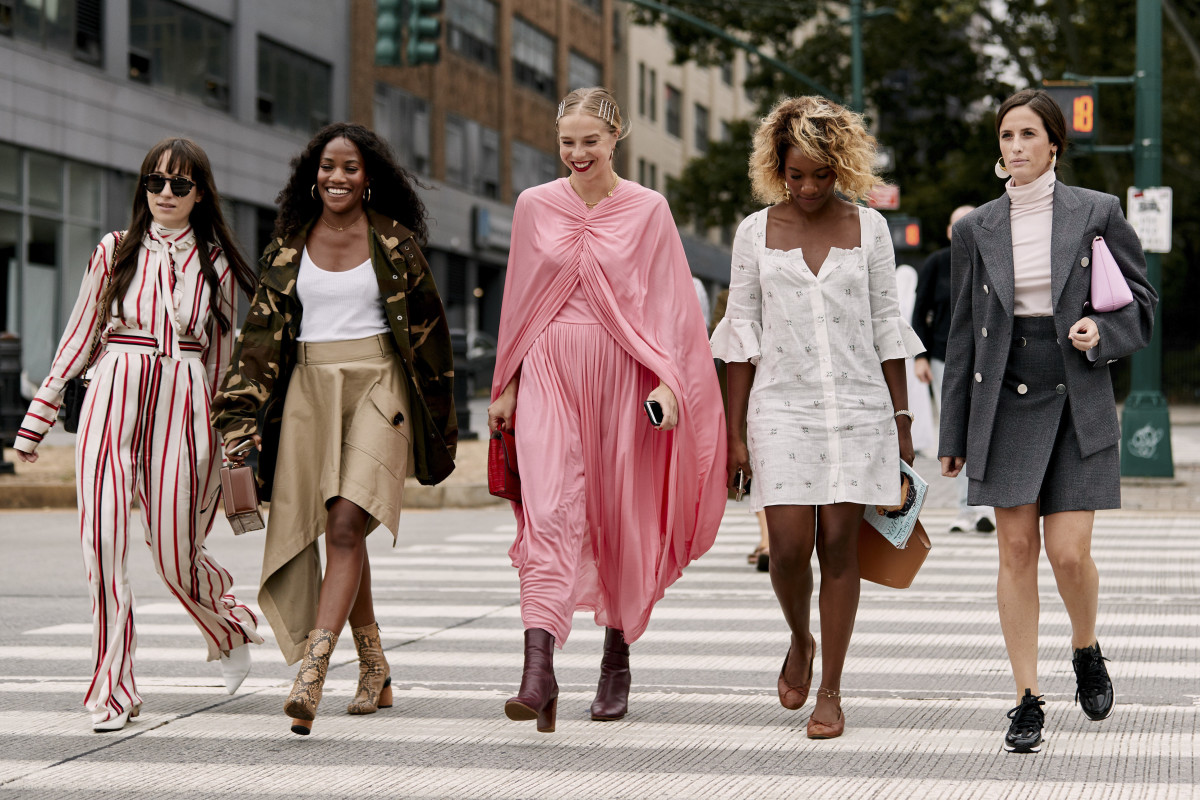
Fashion is more than just clothing; it is a vibrant form of self-expression, a reflection of cultural identity, and a dynamic industry that shapes global aesthetics. From haute couture runways in Paris to streetwear culture in New York, fashion has continually evolved to meet the desires of individuals while influencing societal norms. Understanding fashion requires examining its historical context, technological advancements, sustainable practices, and psychological impacts.
Understanding Fashion: Definition and Scope
Fashion refers to prevailing styles of clothing, accessories, and aesthetics that define an era or a social group. It encompasses multiple domains:
- Apparel Design: Garments, tailoring, and textile innovation.
- Accessories: Jewelry, footwear, handbags, and eyewear.
- Beauty and Grooming: Hairstyles, makeup trends, and personal care aesthetics.
- Cultural Influence: Fashion as a lens to examine societal values, traditions, and shifts.
Fashion is inherently cyclical. Styles may emerge, disappear, and reappear decades later, highlighting the interplay between tradition and reinvention. Modern fashion merges historical influences with contemporary innovation to create unique and diverse expressions.
Historical Evolution of Fashion
Fashion’s evolution reflects cultural, political, and technological changes:
- Ancient Civilizations: Clothing indicated social hierarchy. Egyptians used linen and elaborate jewelry to display status, while Greeks embraced draped garments like togas and chitons for functionality and elegance.
- Middle Ages: Clothing was rigidly dictated by class. Sumptuary laws in Europe regulated fabric and ornamentation according to social standing.
- Renaissance: Fashion became a symbol of artistic and intellectual flourishing. Elaborate embroidery, luxurious fabrics, and ornate patterns signaled wealth and sophistication.
- 20th Century: Industrialization democratized fashion. Ready-to-wear clothing became accessible, and designers like Coco Chanel and Christian Dior revolutionized the silhouette and style.
- 21st Century: Digital technology, globalization, and sustainability concerns shape contemporary fashion. Social media platforms amplify trends instantly, while ethical production practices have gained mainstream importance.
Key Fashion Trends and Movements
Fashion trends are influenced by art, culture, technology, and economics. Some significant movements include:
- Minimalism: Characterized by simplicity, neutral colors, and clean lines, minimalism emerged in response to excessive ornamentation in previous decades.
- Streetwear: Street culture influences contemporary fashion, with sneakers, hoodies, and graphic tees becoming mainstream symbols of urban identity.
- Sustainable Fashion: Ethical production, eco-friendly fabrics, and slow fashion challenge fast fashion’s environmental impact. Organic cotton, recycled materials, and biodegradable textiles are increasingly popular.
- Gender-Fluid Fashion: Breaking traditional gender norms, designers now create clothing lines that are inclusive and versatile, reflecting a shift toward individuality over conventional categories.
The Science Behind Fashion Choices
Fashion is not merely aesthetic; it is deeply psychological:
- Color Psychology: Colors influence mood, perception, and social interaction. For instance, red is associated with energy and passion, while blue evokes trust and calmness.
- Body Image and Confidence: Clothing choices affect self-perception. Tailored fits and personal style enhance confidence and social presence.
- Cultural Signifiers: Traditional garments communicate identity and heritage. Wearing culturally significant attire fosters a sense of belonging and pride.
The Role of Technology in Modern Fashion
Technological innovation is reshaping fashion at every level:
- Digital Design Tools: 3D modeling, CAD software, and virtual prototyping accelerate design cycles while reducing waste.
- Smart Fabrics: Materials embedded with sensors can monitor body temperature, adapt to environmental changes, or even generate energy.
- E-Commerce and AI: Personalized recommendations powered by artificial intelligence enhance customer experience and predict emerging trends.
- Virtual Fashion Shows: Augmented and virtual reality allow global audiences to experience runway events remotely, broadening access to fashion narratives.
Sustainable Fashion Practices
As the fashion industry contributes significantly to global pollution, sustainability has become a central concern:
- Eco-Friendly Fabrics: Hemp, bamboo, and organic cotton reduce chemical use and water consumption.
- Circular Fashion: Encouraging recycling, upcycling, and garment longevity minimizes environmental impact.
- Ethical Production: Fair labor practices ensure worker safety and equitable wages, reflecting growing consumer demand for transparency.
Fashion and Globalization
Globalization has enabled cross-cultural exchange, influencing fashion trends worldwide:
- Fusion Styles: Designers incorporate elements from multiple cultures to create hybrid aesthetics.
- International Fashion Weeks: Cities like Paris, Milan, Tokyo, and New York serve as hubs where global trends converge.
- Influencer Culture: Social media personalities shape fashion narratives, introducing micro-trends that transcend geographical boundaries.
The Economics of Fashion
Fashion is a multi-billion-dollar global industry. Key components include:
- Luxury Segment: High-end brands leverage exclusivity, craftsmanship, and heritage to drive premium pricing.
- Fast Fashion: Mass-market brands prioritize rapid production and affordability but face scrutiny for environmental impact.
- Retail and Online Sales: Omnichannel strategies merge in-store experiences with e-commerce convenience.
Fashion as Cultural Commentary
Fashion often reflects and critiques societal trends:
- Political Expression: Clothing conveys ideological stances. Uniforms, protest attire, or symbolic colors communicate messages without words.
- Gender and Identity: Fashion challenges traditional roles, promoting inclusivity and representation.
- Pop Culture Influence: Music, movies, and sports heavily shape trends, from denim jackets to branded sneakers.
Tips for Personal Style Development
Developing a personal fashion identity requires both introspection and experimentation:
- Wardrobe Assessment: Identify staple pieces and gaps to build a cohesive wardrobe.
- Experimentation: Mix textures, colors, and patterns to discover combinations that resonate with your personality.
- Investment in Quality: Prioritize timeless pieces over fleeting trends to ensure longevity and cost-effectiveness.
- Accessorizing: Jewelry, hats, scarves, and shoes enhance outfits and allow personal flair without overwhelming ensembles.
Future of Fashion
Fashion’s future is poised for transformation through technology, sustainability, and cultural inclusivity:
- AI-Driven Design: Predictive algorithms will optimize design and production, tailoring collections to consumer demand.
- Virtual Try-Ons: Augmented reality will allow customers to visualize clothing digitally before purchase.
- Ethical Consumerism: A growing emphasis on transparency, traceability, and social responsibility will redefine brand loyalty.
- Global Collaboration: Cross-continental partnerships will integrate diverse aesthetics, fostering innovation and creativity.
FAQs on Fashion
Q1: How does sustainable fashion differ from fast fashion?
Sustainable fashion prioritizes ethical sourcing, eco-friendly materials, and minimal waste. Fast fashion emphasizes rapid production and affordability, often at the expense of environmental and labor standards.
Q2: What are the essential elements of building a personal style?
Understanding your body type, color preferences, lifestyle needs, and experimenting with various textures and patterns are key. Investing in versatile, high-quality pieces also strengthens personal style.
Q3: How has technology impacted fashion design?
Digital tools, AI, and smart fabrics enable precision design, predictive trend analysis, and interactive experiences, transforming how designers conceptualize, create, and deliver products.
Q4: Why is fashion considered a cultural indicator?
Fashion reflects societal values, traditions, and evolving norms. Clothing choices often communicate identity, political stances, and social affiliations.
Q5: What role do influencers play in modern fashion?
Influencers introduce micro-trends, expand brand visibility, and create relatable narratives that resonate with audiences, shaping fashion consumption on a global scale.
Q6: Can fashion be both ethical and stylish?
Absolutely. Ethical fashion incorporates sustainable materials, fair labor practices, and timeless designs without compromising aesthetics or creativity.
Fashion transcends mere apparel; it is a dynamic language that communicates identity, culture, and innovation. By understanding its history, embracing technological advancements, and prioritizing sustainability, individuals and industries alike can navigate this ever-evolving landscape with both style and responsibility.
