

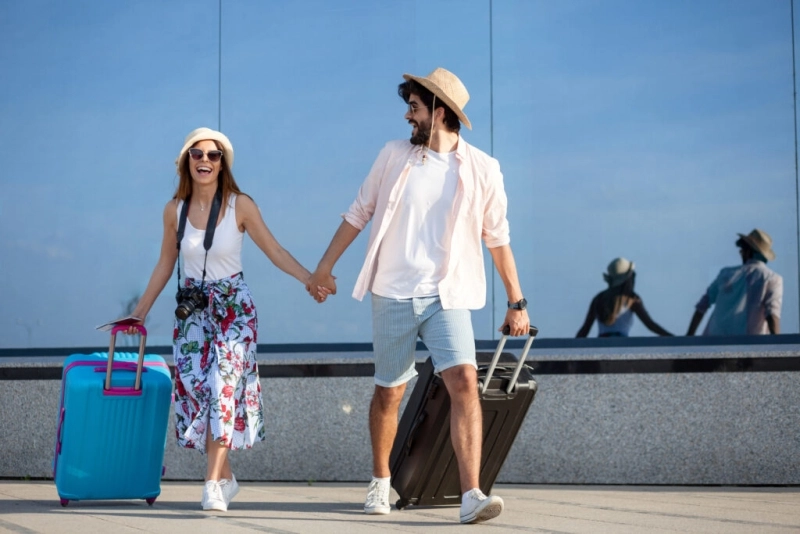
Travel is no longer just about visiting destinations; it has evolved into an immersive experience that shapes personal growth, cultural understanding, and meaningful connections. In today’s world, travel encompasses a spectrum of activities from luxury escapes to eco-conscious journeys, and from digital nomad lifestyles to deep cultural immersion. For discerning travelers, understanding the nuances of modern travel trends, planning strategies, and destination insights is critical to creating memorable experiences.
The Evolution of Travel in the 21st Century
From Leisure to Experiential Travel
Traditional tourism often focused on sightseeing and passive observation. Modern travelers seek engagement, aiming to interact with local cultures, traditions, and environments. Experiential travel emphasizes participation rather than mere observation. Examples include:
- Cooking classes with local chefs.
- Participating in community-led conservation projects.
- Guided historical tours that incorporate storytelling.
This approach transforms travel from a transient activity into an opportunity for personal enrichment and learning.
Technology and the Travel Experience
Digital tools have revolutionized travel planning and execution. Mobile apps, AI-based itinerary planners, and real-time translation tools have enhanced convenience and accessibility. Travelers now benefit from:
- Smart itinerary planning using AI to optimize schedules and budgets.
- Virtual reality previews of destinations before booking trips.
- Real-time language translation apps for seamless communication.
These technological advancements make travel more personalized and immersive, catering to individual preferences.
Strategic Planning for a Successful Journey
Research and Destination Selection
Choosing the right destination is pivotal. Factors to consider include:
- Cultural significance: Exploring areas with rich heritage can enhance the travel experience.
- Accessibility: Evaluate flight options, visa requirements, and local transportation.
- Seasonality: Timing can drastically influence the enjoyment of outdoor activities, festivals, and natural phenomena.
In-depth research ensures travelers align their expectations with reality, reducing stress and maximizing experiences.
Budgeting and Cost Management
Effective budgeting allows travelers to enjoy more without financial strain. Key considerations include:
- Accommodation costs: Options range from boutique hotels to eco-lodges and homestays.
- Transportation expenses: Evaluate public transport, ride-sharing services, or rental vehicles.
- Experience prioritization: Allocate funds to high-impact experiences, such as guided excursions or cultural workshops.
Using budgeting apps can provide real-time updates on spending and help manage unforeseen expenses.
Health, Safety, and Travel Insurance
Modern travel necessitates proactive health and safety planning:
- Vaccinations and preventive care: Research required or recommended immunizations.
- Travel insurance: Coverage should include medical emergencies, trip cancellations, and theft.
- Local regulations: Familiarize yourself with local customs, laws, and safety advisories.
Ensuring safety allows travelers to focus on enjoyment and cultural immersion without undue worry.
Modes of Travel and Their Impact
Adventure and Outdoor Travel
Outdoor travel appeals to those seeking physical engagement and adrenaline-inducing experiences. Activities include:
- Trekking in remote mountain ranges.
- Scuba diving in coral reefs.
- Cycling tours across scenic routes.
These experiences foster resilience, mindfulness, and a deeper appreciation for natural ecosystems.
Cultural and Heritage Travel
Exploring local culture enhances understanding of a region’s identity:
- Visiting museums and heritage sites.
- Attending local festivals and traditional performances.
- Engaging with artisans and craftsmen.
This type of travel fosters cultural empathy and long-term appreciation of diverse traditions.
Eco-Tourism and Sustainable Travel
Eco-conscious travelers focus on minimizing environmental footprints while supporting local communities. Strategies include:
- Staying in eco-lodges that use renewable energy.
- Participating in wildlife conservation programs.
- Choosing slow travel to reduce carbon emissions.
Sustainable travel ensures the preservation of destinations for future generations.
Digital Nomad and Remote Work Travel
With remote work becoming mainstream, many travelers combine professional commitments with exploration. Essential considerations include:
- Reliable internet and coworking spaces.
- Balance between work responsibilities and leisure activities.
- Networking opportunities with local professionals and expat communities.
This travel model enables long-term immersion in diverse environments without career disruption.
Choosing the Right Accommodation
Accommodation is more than just a place to sleep; it can shape the overall travel experience. Options include:
- Boutique hotels: Offer personalized services and cultural integration.
- Vacation rentals: Provide a home-like environment, often suitable for longer stays.
- Eco-lodges and hostels: Cater to budget-conscious travelers seeking sustainable or social experiences.
- Luxury resorts: Offer indulgent amenities and curated experiences, often integrating local culture.
Selecting the right accommodation requires evaluating comfort, location, budget, and the level of cultural immersion desired.
Transportation Strategies for Efficient Travel
Air Travel and Regional Connectivity
Airlines now provide flexible booking options, premium lounges, and loyalty programs. Choosing efficient flight routes and understanding baggage policies can save time and reduce stress.
Ground Transportation
Local transport options impact accessibility and cost-effectiveness:
- Public transit for cost-conscious travelers.
- Rental cars for flexible schedules.
- Ride-sharing apps for convenience in urban areas.
A well-planned transport strategy ensures smooth movement across destinations, enhancing the overall experience.
Sustainable Mobility
Biking, walking tours, and electric vehicle rentals contribute to eco-friendly travel while offering unique perspectives of local environments.
Enhancing Experiences Through Local Engagement
Culinary Tourism
Food offers a gateway into cultural heritage. Travelers can:
- Participate in cooking classes to learn regional recipes.
- Explore street food markets for authentic experiences.
- Attend wine or coffee tasting tours for sensory engagement.
Culinary travel not only delights the palate but also connects travelers with local traditions and communities.
Artistic and Creative Experiences
Art and craft experiences allow travelers to appreciate cultural expression:
- Attending local theater or music performances.
- Visiting artisan workshops.
- Engaging in photography or painting tours.
Creative immersion enriches the travel journey beyond sightseeing.
Social and Community-Based Travel
Engaging with local communities fosters meaningful connections:
- Volunteering in social projects or conservation efforts.
- Participating in cultural exchange programs.
- Learning local languages or dialects.
These interactions deepen understanding and leave lasting memories.
The Role of Technology in Travel Enhancement
Modern travelers increasingly rely on technology for convenience and enrichment:
- AI-powered recommendation engines provide personalized itineraries.
- Augmented reality (AR) guides offer immersive historical insights.
- Mobile payment systems simplify transactions in foreign currencies.
Technology streamlines logistics while enhancing engagement and educational value.
Challenges in Modern Travel
Over-tourism and Environmental Concerns
Popular destinations can suffer from congestion, pollution, and cultural dilution. Travelers can mitigate impact by:
- Choosing less-visited destinations.
- Supporting local businesses rather than large chains.
- Practicing responsible behavior and minimizing waste.
Health and Pandemic-Related Restrictions
Global health crises have reshaped travel dynamics:
- Frequent testing and vaccination may be required.
- Quarantine protocols can affect itinerary flexibility.
- Travelers must remain updated on local health regulations.
Proactive planning ensures safety without compromising experience.
Cultural Sensitivity
Understanding local norms, customs, and etiquette prevents misunderstandings:
- Dress codes for religious or cultural sites.
- Respecting local dining practices.
- Avoiding behavior that may be considered offensive.
Cultural sensitivity fosters positive interactions and meaningful engagement.
Conclusion: The Future of Travel
Modern travel is a fusion of adventure, cultural exploration, and sustainable practices. It is no longer a passive activity but an active engagement with people, places, and traditions. By embracing strategic planning, immersive experiences, and responsible practices, travelers can maximize enjoyment while contributing positively to global communities and environments. The essence of travel today lies in creating memories, fostering empathy, and broadening perspectives.
FAQ Section
Q1: How can I make travel more immersive and culturally enriching?
Engage with local communities, attend traditional events, take language or cooking classes, and prioritize experiences over passive sightseeing. Immersive travel encourages deeper understanding and meaningful memories.
Q2: What are the best strategies to minimize travel expenses without compromising experiences?
Utilize public transportation, opt for budget-friendly accommodations such as homestays or hostels, leverage travel apps for deals, and prioritize high-impact experiences to optimize spending.
Q3: How can travelers maintain sustainability while exploring popular destinations?
Support eco-friendly accommodations, participate in conservation projects, avoid single-use plastics, and choose off-season or less crowded destinations to reduce environmental impact.
Q4: Is traveling as a digital nomad feasible long-term?
Yes, with proper planning. Ensure reliable internet, maintain work-life balance, find suitable coworking spaces, and integrate leisure and cultural experiences into your schedule to sustain long-term travel.
Q5: What are essential safety tips for international travel?
Keep updated on local regulations and health advisories, secure travel insurance covering medical emergencies, maintain copies of important documents, and stay aware of surroundings to reduce risks.
Q6: How has technology improved travel experiences?
Technology enables personalized itineraries, mobile payments, real-time translation, augmented reality guides, and virtual previews, making travel more convenient, immersive, and informed.
Q7: How do I balance adventure travel with cultural exploration?
Incorporate both physical activities and cultural engagements in your itinerary. For instance, after a hiking expedition, spend time learning local traditions, attending performances, or exploring historical sites.
This comprehensive approach ensures a fulfilling travel experience that combines adventure, learning, and meaningful connection with the world.
