

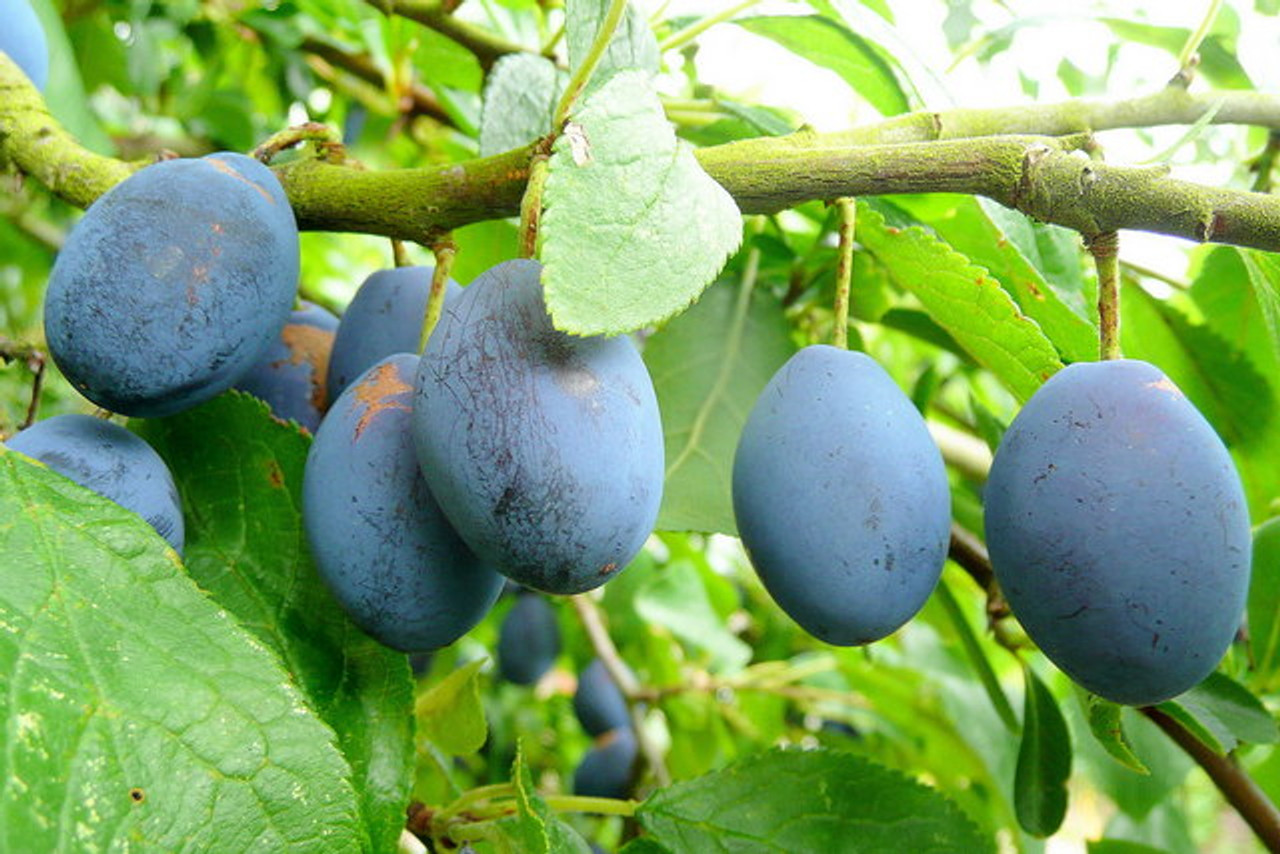
Among the many varieties of plum trees available, heritage plums stand out for their historical significance, unique flavours, and adaptability to the UK’s varied climates. These time-tested cultivars offer gardeners a chance to cultivate a piece of horticultural history while enjoying fruits that are versatile for eating fresh, cooking, or preserving. This article explores three exceptional heritage plum varieties—Victoria, Czar, and Marjorie’s Seedling—detailing their origins, characteristics, and cultivation requirements. For those looking to buy fruit trees, these plums represent a blend of tradition and practicality, ideal for both novice and experienced gardeners.
A nursery specialist from https://www.fruit-trees.com/ offers insight into the appeal of heritage plums: “These varieties have endured for generations because they balance hardiness with excellent fruit quality. For gardeners seeking reliable crops, heritage plums like those in our self-fertile varieties are a sound choice, as they thrive without needing a pollination partner.” This advice underscores the value of selecting cultivars with proven resilience, particularly for smaller gardens where space for multiple trees may be limited.
Why Choose Heritage Plums?
Heritage plum varieties, often developed in the 19th or early 20th centuries, have earned their place in British horticulture through consistent performance and distinctive fruit characteristics. Unlike modern hybrids, which may prioritise yield or disease resistance, heritage plums often carry unique flavour profiles and textures that reflect their historical roots. These varieties were selected by growers for their ability to adapt to local conditions, making them well-suited to the UK’s temperate climate. Their self-fertility, in many cases, simplifies cultivation, as a single tree can produce a substantial crop without requiring a companion for pollination.
Moreover, heritage plums connect gardeners to a rich cultural legacy. Many were named after notable figures or regions, reflecting their historical context. For those interested in sustainable gardening, these varieties often require less intervention than modern cultivars, as their hardiness was honed through decades of cultivation without reliance on chemical inputs. Choosing to buy fruit trees of this calibre allows gardeners to contribute to preserving these historic cultivars while enjoying their practical benefits.
Victoria Plum: The Quintessential British Classic
The Victoria plum, named after Queen Victoria and first documented in the early 19th century, is arguably the most iconic heritage plum in the UK. Its origins are somewhat mysterious, with anecdotal evidence suggesting it emerged in Sussex or Suffolk around 1837. Despite debates over its precise birthplace, its widespread cultivation by the mid-19th century cemented its status as a garden staple. The Royal Horticultural Society recognised its excellence with awards in 1973, 1993, and 2013, highlighting its enduring appeal.
This variety produces medium to large fruits that transition from green to an orange-reddish hue before ripening to a deep reddish-purple. The flavour is sweet with a balanced acidity, making it versatile for eating fresh, baking, or making jams and jellies. Harvested in the orange-red stage, the fruit is ideal for culinary uses, while the fully ripened reddish-purple plums are perfect for immediate consumption. Victoria plum trees are self-fertile, meaning they do not require a second tree for pollination, which is a significant advantage for small gardens.
Cultivating Victoria plums is straightforward, as the trees are hardy and adaptable to various soil types, provided the ground drains well. They thrive in locations with full sun for at least six hours daily, though some afternoon shade is tolerable. Planting should occur in late winter or early spring when the trees are dormant, ensuring the roots establish before the growing season. The trees typically reach a height of 3 to 4 metres, making them suitable for modest spaces, especially when grown on dwarfing rootstocks like Pixy, which keeps them at around 2 metres.
Pruning is minimal, particularly in the first three years, focusing on removing dead or damaged branches. After this period, annual pruning in late spring or early summer helps maintain shape and encourages fruit production. Gardeners can expect fruit within two to three years of planting, with yields increasing as the tree matures. For those looking to buy fruit trees, Victoria plums offer a reliable and low-maintenance option with a rich historical pedigree.
Czar Plum: The Hardy Culinary Champion
The Czar plum, another heritage variety, traces its origins to the late 19th century, introduced by the Rivers Nursery in 1874. Named in honour of the Russian Tsar, this cultivar was bred for its exceptional hardiness and ability to withstand cooler climates, making it a favourite in northern parts of the UK. Its deep purple fruit and robust nature have made it a go-to choice for gardeners seeking a reliable crop, particularly for culinary purposes.
Czar plums are medium-sized, with a dark purple skin and yellow-green flesh that is slightly tart when harvested early. This tartness makes them particularly suited for cooking, as they hold their shape well in jams, chutneys, and baked dishes. When left to ripen fully, the fruit develops a sweeter profile, suitable for fresh eating, though it remains less sweet than dessert varieties like Victoria. Like the Victoria plum, Czar is self-fertile, eliminating the need for a pollination partner and simplifying cultivation for beginners.
The trees are vigorous, often reaching 3.5 to 4.5 metres on standard rootstocks like St Julien A, though dwarf options are available for smaller gardens. They prefer well-drained soil and a sunny position but are notably tolerant of colder conditions and late frosts, which can damage more delicate varieties. Planting in late winter or early spring is ideal, with soil preparation involving a nutrient-rich compost to support root establishment. Regular watering is necessary in the first year, but once established, Czar trees require minimal care beyond occasional pruning to remove crowded branches and promote airflow.
Fruit production typically begins within three to four years, with consistent yields thereafter. The Czar’s frost resistance and culinary versatility make it an excellent choice for gardeners in cooler regions or those interested in preserving their harvest. For those considering where to buy fruit trees, the Czar’s durability and productivity make it a worthy addition to any garden.
Marjorie’s Seedling: The Late-Season Gem
Marjorie’s Seedling, a relatively newer heritage variety introduced in the early 20th century, offers gardeners a late-season plum that extends the harvest period into September and October. Developed in Berkshire, this cultivar is prized for its large, dark purple fruits and robust growth, making it a favourite for those seeking a prolonged plum season. Its origins are less documented than Victoria or Czar, but its reliability has earned it a place among Britain’s cherished heritage plums.
The fruits of Marjorie’s Seedling are notably large, with a rich, juicy flesh that balances sweetness and tartness. This makes them suitable for both dessert and culinary uses, from fresh eating to pies and preserves. The late ripening period is a significant advantage, as it allows gardeners to enjoy fresh plums when other varieties have finished fruiting. Like the other two varieties, Marjorie’s Seedling is self-fertile, ensuring a good crop without the need for additional trees.
These trees grow to a height of 3 to 4 metres on standard rootstocks, with dwarf options available for container gardening or smaller spaces. They thrive in well-drained, loamy soil with full sun exposure, though they can tolerate partial shade. Planting in late winter or early spring, as with other plums, ensures optimal root development. Marjorie’s Seedling is particularly resilient to disease, requiring less intervention than some other fruit trees, though regular checks for pests like aphids are advisable.
Pruning follows a similar pattern to other plum varieties, with minimal cutting in the early years and annual maintenance after fruiting begins, typically in the third or fourth year. The late harvest requires patience, but the quality and quantity of the fruit make it worthwhile. For gardeners looking to buy fruit trees that extend the season, Marjorie’s Seedling is an excellent choice, offering both flavour and historical charm.
Cultivation Tips for Heritage Plums
Growing heritage plums successfully requires attention to a few key factors, regardless of the variety chosen. Site selection is critical, as all three varieties—Victoria, Czar, and Marjorie’s Seedling—perform best in full sun with well-drained soil. Testing the soil’s pH, ideally between 6.0 and 7.0, ensures optimal nutrient uptake. If the soil is too acidic or alkaline, amendments like lime or sulphur can adjust the balance before planting.
Planting should occur during the dormant season, typically late winter to early spring, when the ground is workable but not waterlogged. Dig a hole six inches wider and deeper than the tree’s root ball to allow ample space for root expansion. Incorporating organic matter, such as well-rotted compost, into the planting hole supports early growth. After planting, water thoroughly and mulch around the base to retain moisture and suppress weeds.
Watering is essential in the first year, particularly during dry spells, but established trees are relatively drought-tolerant. Overwatering should be avoided, as soggy soil can lead to root rot. Fertilising annually in early spring with a balanced fertiliser, such as one with an NPK ratio of 10-10-10, promotes healthy growth and fruit production. However, excessive nitrogen should be avoided, as it can encourage leafy growth at the expense of fruit.
Pruning is a critical aspect of care but should be approached cautiously. For all three heritage varieties, minimal pruning in the first three years allows the tree to establish its structure. After this period, annual pruning in late spring or early summer removes dead, damaged, or overcrowded branches, improving airflow and reducing disease risk. Thinning fruit in June can enhance the size and quality of the remaining plums, particularly for Marjorie’s Seedling, which produces large fruits.
Pest and disease management is relatively straightforward for these hardy varieties. Common issues include aphids, plum moth, and fungal diseases like silver leaf. Regular inspection and removal of affected leaves or fruit, combined with good garden hygiene, can prevent most problems. In severe cases, organic or chemical treatments may be necessary, but these varieties’ natural resilience often minimises the need for intervention.
Integrating Heritage Plums into Your Garden
Heritage plums are versatile additions to any garden, whether large or small. Their compact size, especially when grown on dwarf rootstocks, makes them suitable for patios, courtyards, or even container gardening. For larger spaces, standard trees can serve as focal points or provide shade, enhancing the garden’s aesthetic and functional value. Fan-trained plums, another option for space-conscious gardeners, can be grown against walls or fences, maximising yield in limited areas.
These varieties also offer environmental benefits. Their blossoms attract pollinators like bees, supporting local ecosystems. The fruit provides a food source for wildlife, though netting may be necessary to protect the harvest. For those looking to buy fruit trees, heritage plums combine practicality with ecological value, making them a sustainable choice for modern gardens.
Incorporating companion plants, such as marigolds or chives, can deter pests and enhance soil health. Positioning trees away from structures ensures adequate sunlight and air circulation, reducing disease risk. For gardeners with limited experience, starting with self-fertile varieties like these eliminates the complexity of cross-pollination, making the process more accessible.
Preserving the Harvest
One of the joys of growing heritage plums is their versatility in the kitchen. Victoria plums, with their sweet-tart balance, are ideal for jams, jellies, and desserts like crumbles or tarts. Czar plums, with their firmer flesh, excel in savoury dishes like chutneys or sauces, though they can also be dried into prunes for long-term storage. Marjorie’s Seedling, with its large, juicy fruits, is perfect for both fresh eating and preserving, offering a late-season bounty that can be canned or frozen.
To preserve plums, wash and pit the fruit before processing. For jams, combine plums with sugar and lemon juice, boiling until the mixture reaches a setting point. Chutneys require cooking with vinegar, spices, and onions for a tangy, savoury result. Drying plums into prunes involves halving the fruit and using a dehydrator or low oven, creating a shelf-stable product that retains the fruit’s rich flavour.
Conclusion
Heritage plums like Victoria, Czar, and Marjorie’s Seedling offer British gardeners a chance to cultivate varieties with deep historical roots and exceptional fruit quality. Their hardiness, self-fertility, and versatility make them ideal for gardens of all sizes, from sprawling orchards to compact patios. By selecting a sunny, well-drained site, providing minimal but targeted care, and pruning thoughtfully, gardeners can enjoy abundant harvests for years to come. These varieties not only deliver delicious fruit but also connect us to a horticultural legacy that continues to thrive. For those eager to start their gardening journey, choosing to buy fruit trees from a reputable nursery ensures a strong start, with these heritage plums offering a rewarding blend of tradition and taste.
